
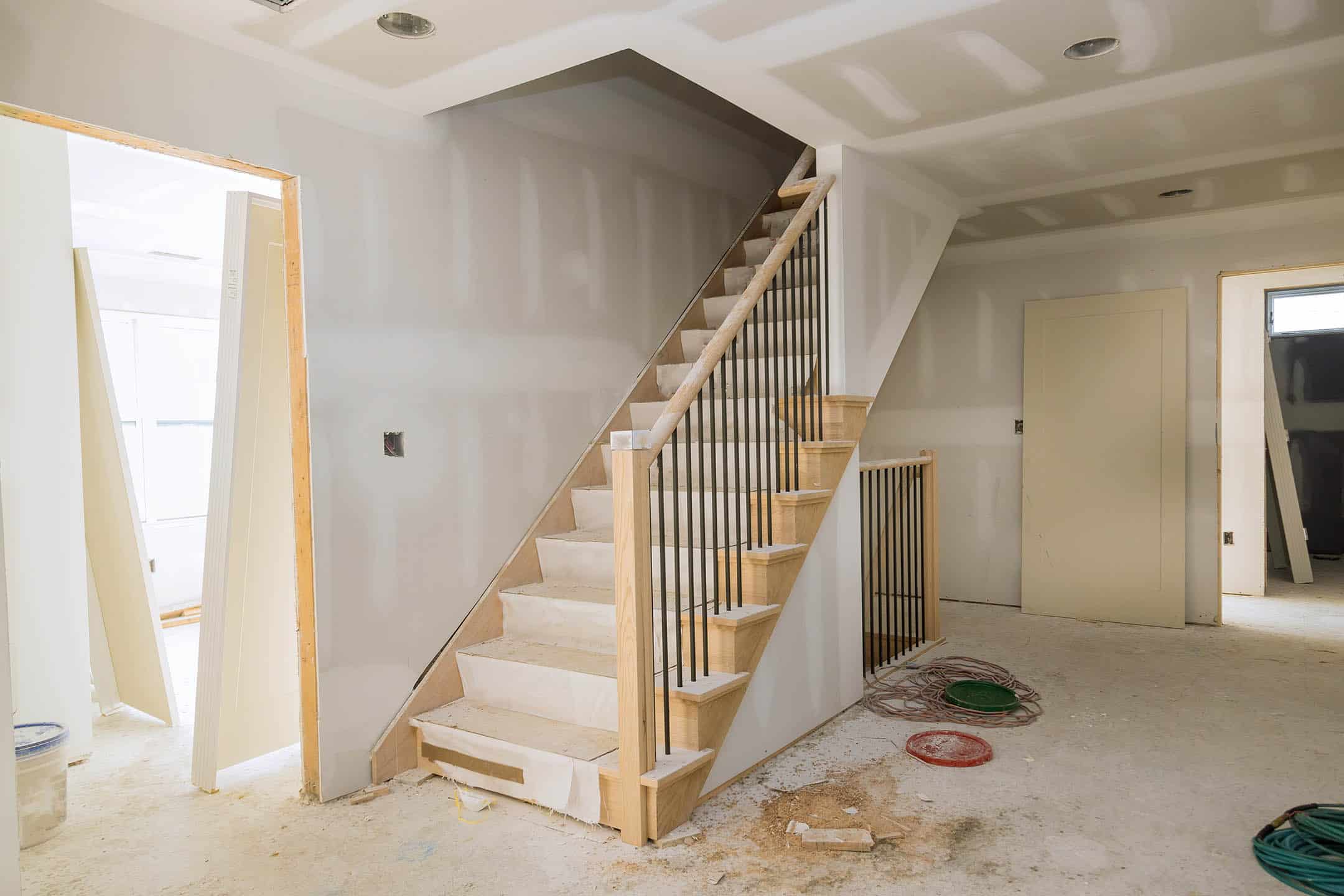
When you buy a newly built home, a building warranty offers peace of mind by protecting against structural defects and major issues. However, many homeowners aren’t aware that undertaking renovations or making changes to the structure of the building after handover can affect this warranty. Depending on the scope of the work and how it’s carried out, even well-intentioned improvements could leave you without coverage when you need it most.
How Renovations Can Impact Your Building Warranty
Real Risks of Losing Coverage After Changes
Once renovation work begins, especially if it alters the original structure, there’s a risk that your building warranty may no longer apply. Most warranties include terms that void coverage if unauthorised changes are made to key components such as foundations, walls, roofs or drainage systems. Insurers rely on the original build specification to assess and accept risk. Once that structure is changed, so is the liability.
Key Scenarios Where the Warranty Becomes Invalid
Common situations that could lead to invalidation include knocking through load-bearing walls, extending the property, modifying plumbing or electrical systems, or making any change that affects the building’s structural integrity. Even installing bi-fold doors or loft conversions without approval could breach your warranty terms, particularly if these changes introduce defects.
How Builders and Insurers Typically Respond
If a claim is made after renovation work has been carried out, insurers will investigate the scope of the modifications. If it’s found that changes contributed to the damage, or breached the policy’s terms, the claim may be denied. Builders also won’t be liable to rectify problems if the defect arises from post-handover work they didn’t complete or approve.
The Role of Licensed Trades and Council Approvals
Why Using Qualified Professionals Matters
Using certified tradespeople is crucial for quality control and also protects your building warranty. Many providers state that work must be carried out by licensed professionals who follow national safety and compliance standards. If an issue arises later, this qualification may help prove that the work didn’t compromise the original structure.
When Council Approval Can Save Your Warranty
Securing council approval or building control sign-off for major works can offer another layer of protection. It shows that your project met legal requirements and was inspected at all critical stages. Some warranty providers will maintain cover if proof of approvals is provided and if changes didn’t introduce new risk to the property’s structure.
The Paper Trail That Can Protect You
Keep all documentation from the project; including quotes, invoices, certifications, inspection records and council approvals. Should a future warranty claim be disputed, this evidence may help prove that renovations were safely completed and did not breach warranty terms.
Common Renovation Mistakes That Void Warranties
Structural Changes Without Notification
One of the most frequent reasons building warranty claims are rejected is unauthorised structural alteration. Removing walls, enlarging windows, extending rooms or changing layouts without notifying the warranty provider can make the original terms null and void.
DIY Work Without Certification
DIY renovations (particularly involving electrics, plumbing or structural work) often breach policy conditions. Even if the workmanship appears sound, insurers typically require certified installations that adhere to current building regulations. Without proof of proper installation, claims can be difficult to uphold.
Ignoring Drainage, Waterproofing or Load-bearing Walls
Tinkering with drainage systems, waterproof membranes or the structural elements of your home is especially risky. Poor waterproofing in basements or roof alterations that affect rainwater run-off are common culprits in future claims, yet often overlooked during renovations.
What You Can Change Without Affecting the Warranty
Non-Structural Cosmetic Updates
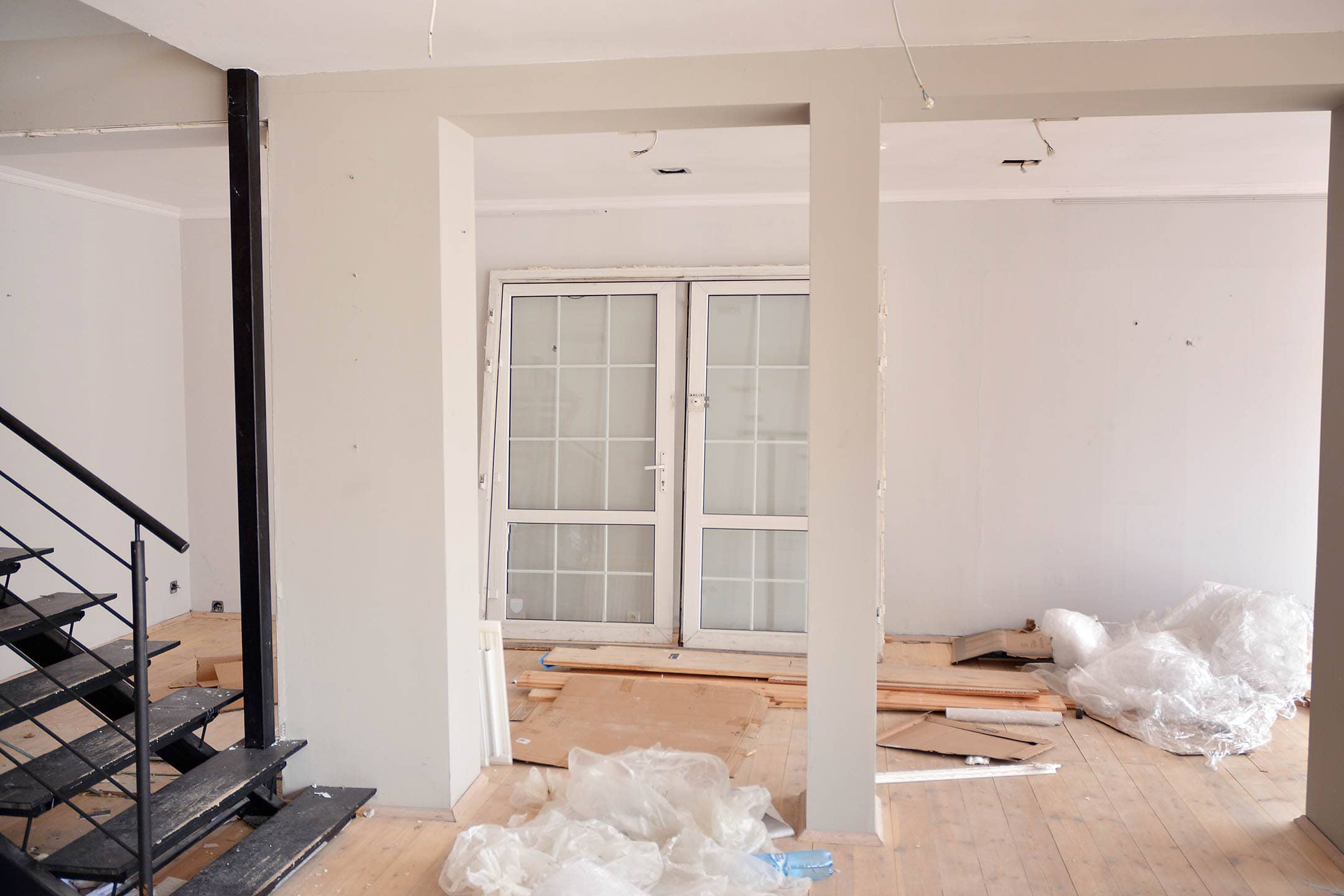
Fortunately, not all changes impact your building warranty. Painting, decorating, updating flooring or replacing skirting boards are all considered cosmetic and fall outside the scope of most policies. These won’t affect your coverage as long as the structure remains untouched.
Fixtures and Fittings You Can Safely Replace
Replacing kitchen units, bathroom fittings, internal doors or light fixtures is usually permitted. These upgrades don’t compromise the original design or load-bearing structure, and are unlikely to result in a warranty breach.
Safe Add-Ons That Usually Don’t Breach Terms
In many cases, adding conservatories, sheds or garden rooms won’t impact the main warranty as long as they’re free-standing and properly installed. It’s always wise to double-check with your provider before building, especially if you plan to connect these additions to the main home.
Tips to Renovate Safely While Keeping Your Warranty
Notify Your Builder or Warranty Provider First
Before starting any work, contact the builder or your warranty provider. They’ll confirm whether the proposed changes affect your coverage. In some cases, they may require an inspection or offer guidance on how to proceed while remaining compliant.
Ask for Written Confirmation on Coverage
Always request written clarification that your planned work won’t impact the validity of your building warranty. This document is important if you later need to make a claim and want to demonstrate that you followed correct procedure.
Keep Records of All Works and Contractors Used
Maintain a file with all project-related paperwork. This includes detailed descriptions of the work completed, who completed it, product warranties for any new materials and compliance certificates. Good record-keeping reduces confusion and solidifies your position if disputes arise.
Expert Advice and Case Examples
Renovation Gone Wrong – Warranty Rejected
A homeowner in Bristol installed a loft conversion through a local builder without informing their warranty provider. Six months later, severe water ingress was discovered due to improper roof sealing. The insurer denied the claim, stating the structural warranty was voided by unauthorised work. The homeowner was left with a repair bill exceeding £10,000.
How Proper Process Saved a Homeowner’s Warranty
In Manchester, a family extended their kitchen into the garden, notifying both the council and their warranty provider beforehand. They used approved contractors and received a written confirmation that their warranty would still apply to the original structure. Years later, when a foundation issue emerged unrelated to the extension, their warranty claim was accepted and fully covered.
Balancing Home Improvements with Warranty Protection
Renovating your home doesn’t have to mean compromising your building warranty. By planning carefully, seeking approvals and communicating with your warranty provider, you can improve your living space while maintaining essential cover.
For personalised guidance and help securing a building warranty that aligns with your future plans, contact BuildSafe. Our expert advisors will ensure your policy offers the protection you need.