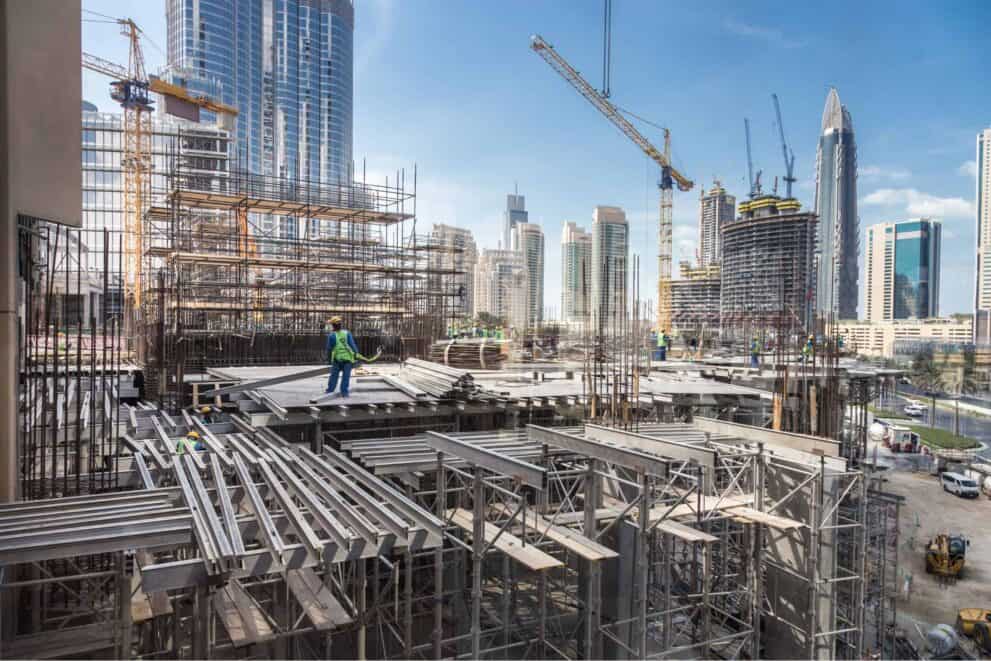

Logistics centres are critical infrastructure within modern supply chains. They are large scale, high value assets designed to operate continuously under heavy structural and operational demand. A commercial warranty for logistics centres plays a central role in protecting that investment, supporting funding requirements, and managing long term structural risk. Understanding how these warranties work is essential for developers, investors, and asset managers involved in warehouse and distribution projects.
Understanding Commercial Warranties for Logistics Centres
Logistics centres are high value, high load assets built for intensive use. A commercial warranty protects owners, developers, and funders against structural defects that may only become apparent after completion. These policies usually run for up to 10 or 12 years and sit alongside, rather than replace, contractor liability. They provide an additional layer of protection if latent defects arise and contractual recovery is not straightforward.
What a Commercial Warranty Covers
A commercial warranty typically covers the major structural elements of a building, including foundations, steel frames, load bearing walls, roof structures, and floor slabs. In logistics environments, cover often focuses on risks linked to heavy racking loads, automated systems, long span construction, and constant vehicle movement across internal and external slabs. Non structural defects and cosmetic issues are usually excluded, with the emphasis firmly on core structural integrity and the performance of primary load bearing components.
How It Differs from Standard Building Insurance
Standard building insurance responds to sudden and unforeseen events such as fire, flooding, or storm damage. A commercial warranty, by contrast, covers latent defects arising from design, materials, or workmanship that were not visible at completion. This distinction is critical when structural problems emerge years later and responsibility between parties is unclear, as logistics centre insurance alone will not address inherent structural faults embedded within the construction.
Why Logistics Centres Need Specialist Warranty Cover
Logistics buildings are engineered for scale, speed, and weight, which significantly alters their structural risk profile compared to typical commercial units.
Warehouse floors must withstand high point loads from racking systems and automation, while long span roofs rely on precise engineering across wide areas. External yards and service zones experience sustained HGV traffic, placing additional stress on slabs and substructures. Even small defects in reinforcement, joint detailing, or ground preparation can escalate under operational pressure. A warehouse structural warranty must reflect these realities. If the scope of cover does not align with operational pressures, the policy may offer limited protection when defects occur.
Lender and investor expectations further reinforce the need for specialist cover. Most banks and institutional funders require a recognised commercial warranty for logistics centres before releasing development or investment funding. Without an acceptable distribution centre warranty in place, refinancing, forward funding, or sale transactions can stall or require additional negotiation. In practical terms, the warranty acts as a gatekeeper to capital rather than a discretionary extra.
Choosing the Right Commercial Warranty Provider
Not all providers fully understand the structural and operational demands of logistics assets. Treating them as generic commercial units can result in inappropriate underwriting assumptions, insufficient inspections, and gaps in cover that only become apparent at claim stage.
Recognition by Lenders
The chosen provider must be recognised by major UK lenders. If lenders do not accept the policy, its value reduces sharply regardless of how comprehensive it appears. Ensuring that the proposed industrial building warranty meets lender expectations protects funding strategy and avoids complications at completion or disposal.
Technical Due Diligence and Site Inspections
Strong warranty providers carry out staged technical inspections throughout the construction process. This is not administrative formality; it is a practical method of reducing structural risk. Regular inspections allow issues in design or workmanship to be identified and addressed before they become embedded defects. Fewer inspections can indicate lighter oversight and potentially weaker protection.
Financial Strength of the Insurer
A commercial warranty is only as reliable as the insurer backing it. Given that most policies run for 10 or 12 years, long term financial stability is essential. The strength, rating, and reputation of the insurer matter more than headline price, particularly for logistics centres designed to operate for decades and support institutional income streams.
Coverage Scope and Policy Terms
Most commercial warranties provide 10 or 12 years of structural cover from completion. Longer terms can enhance perceived asset value and appeal to certain investors, although extended periods may increase premium cost. The appropriate duration depends on funding arrangements, hold strategy, and exit plans.
Excess levels and claim limits also require careful consideration. High excesses or low claim caps can significantly weaken protection. For large logistics centres, limits should align with realistic rebuild and remediation costs rather than generic figures, ensuring the commercial warranty logistics centres depend on provides meaningful financial security.
Costs and Value for Logistics Developments
The cost of a commercial warranty for logistics centres is influenced by factors such as building size, structural complexity, ground conditions, contractor track record, and the scope of the inspection regime. Developments incorporating heavy automation, specialist slab design, or complex load requirements often attract higher premiums due to increased structural risk.
Focusing solely on upfront cost can increase long term exposure. Structural defects in an operational warehouse can be expensive to rectify and highly disruptive to tenants and income streams. Selecting the lowest priced warehouse structural warranty may reduce initial outlay but increase future financial risk, making value and robustness more important than headline savings.
When to Arrange a Commercial Warranty
A commercial warranty should be arranged before any construction begins. Early engagement maximises provider choice, allows for review of structural design, and avoids exclusions that can arise when works have already progressed without inspection.
Aligning the warranty process with the construction programme and funding timetable ensures that inspection stages match key build milestones and that lender conditions are satisfied without last minute negotiation. Early coordination reduces delays and supports a smoother path to completion and drawdown.
Protecting High Value Logistics Assets
A commercial warranty for logistics centres underpins funding confidence, protects long term asset value, and reduces exposure to serious structural risk. Choosing the right provider and securing the appropriate scope of cover is a strategic decision that supports both operational resilience and investment performance.
Speak to Buildsafe to discuss the right commercial warranty logistics centres require for your next development.