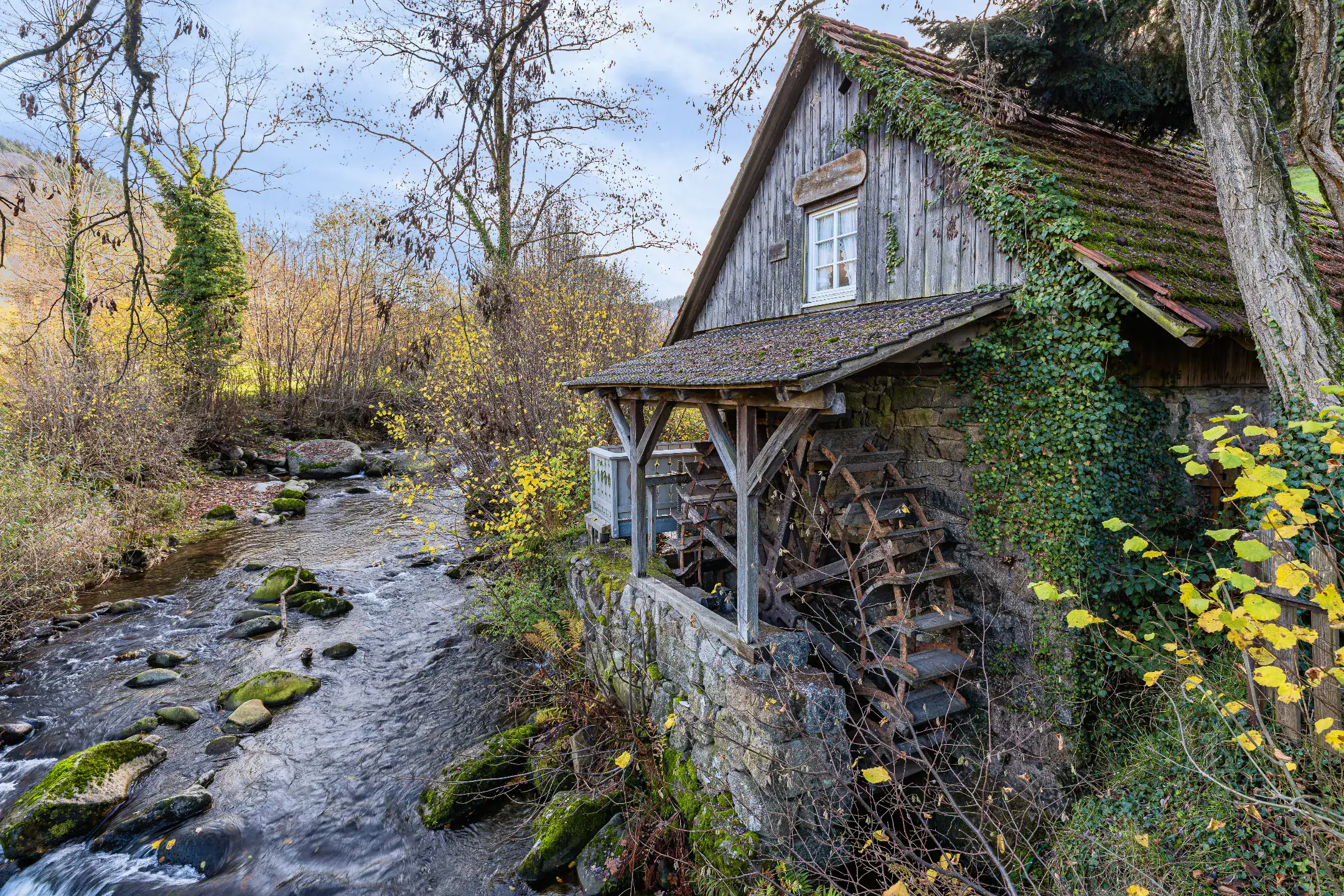
A pub or mill conversion can create distinctive residential homes from buildings with character, scale and commercial history. These projects can involve retained structures, undocumented alterations and site conditions that require detailed assessment before a Structural Warranty is arranged.
A conversion warranty is generally designed to provide insurance-backed protection against certain major structural defects that arise after practical completion. For pub and mill conversions, the assessment will usually consider both the retained building fabric and new structural elements introduced during the works.
Why pubs and mills present distinct structural challenges
Former pubs are commonly older commercial buildings that may have been altered several times over their lifetime. Extensions, changes to internal layouts, commercial kitchens and former bar areas can create a complicated structural history. Documentation for earlier work is not always available.
Open-plan ground floors can also mean that walls, beams or load-bearing arrangements have been changed at different stages. Cellar and basement structures are a specific risk point for pub conversions. They may have been used for storage, cooling equipment or plant, while damp, drainage and waterproofing issues can be difficult to identify without appropriate investigation.
Mill conversions present a different set of considerations. Former industrial mills may have multi-storey brick construction, large-span floor structures, cast iron or timber columns and roofs exposed to long periods of industrial use.
Mill floor loading capacity is a key underwriting consideration. Floors originally designed for machinery or storage may have been altered over time. Residential conversion can introduce new openings, staircases, service routes and different loading patterns. The condition of columns, beams, masonry and structural connections may need specialist review.
Both building types can have a history of damp, water ingress or contamination. Thorough structural surveys are often important before a provider considers the risk, particularly where significant retained fabric will form part of the completed residential scheme.
What providers assess on pub and mill conversions
Each conversion is assessed individually. The provider will usually focus on the condition of the existing building, the scope of proposed structural work and the quality of available information.
For a pub conversion warranty, the assessment may consider retained walls, floors, roof structures and foundations, alongside evidence of earlier alterations. Details of cellar or basement construction, drainage and waterproofing measures can be particularly relevant.
For a mill conversion warranty, technical information may be required to explain floor construction, loading capacity, column condition and the structural changes proposed. New stairwells, lift cores, balconies or service penetrations should be clearly shown alongside the existing structural arrangement.
Information that can support the assessment includes:
- A detailed structural survey and engineer’s recommendations
- Architectural and structural drawings
- Specifications for retained and new building elements
- Evidence of previous Building Regulations work where available
- Details of basement, cellar or waterproofing work
- Ground investigation and contamination reports where relevant
- Planning and listed building consents where applicable
The provider may also review the contractor, professional team, build programme and proposed inspection requirements. Similar considerations may apply to former pubs, mills and other character buildings, as outlined in our guide to pub and mill conversion warranties.
What a pub or mill conversion warranty may cover
A pub conversion warranty or mill conversion warranty is generally intended to address certain major structural defects that become apparent after completion. Subject to policy wording, this can include defects connected with design, workmanship, materials, construction, installation or site preparation.
The assessment may include retained walls, floors, roof structures and foundations, along with new structural elements introduced during the conversion. The external envelope, drainage and water ingress can also be relevant, subject to the agreed policy terms.
Exact cover, exclusions, limits and responsibilities depend on the policy. A warranty does not automatically cover every issue within an older building, routine maintenance or known defects that existed before the policy began.
Contamination requires separate consideration. Where a pub or mill site has a history of industrial activity, fuel storage, former workshops or other potentially contaminative uses, a separate policy may be required. Read more about cover against contaminated land when assessing this risk.
If conversion works are already complete, a retrospective warranty may still be available in some circumstances. This will depend on survey findings, supporting documents and insurer underwriting. Availability is not automatic and existing defects may affect the terms offered.
Which providers cover pub and mill conversions?
Pub and mill conversions are specialist projects, so provider selection matters. Not all warranty providers will consider these building types, particularly where a scheme involves extensive retained structure, basement works, listed building considerations, contamination concerns or complex structural alterations.
Buildsafe compares options from providers that may be able to assess the proposed conversion. A clear submission, supported by appropriate surveys and technical information, can help a provider understand the project from the outset.
Independent comparison can be particularly valuable where the property has an unusual construction history or needs a tailored inspection approach. Buildsafe can help clients save up to 30%, depending on the project and available terms.
Warranty cost can depend on build cost, sales value and the insurer’s assessment. The condition of retained structures, scope of conversion works and information available can also affect the terms offered. Read more about conversion warranty cost.
A church conversion warranty can raise similar considerations around retained fabric, historic construction and structural design.
Discuss your pub or mill conversion
A pub or mill conversion requires careful planning around the existing building, proposed structural work and available evidence.
Contact Buildsafe to discuss conversion warranty options for your project or get a quote.