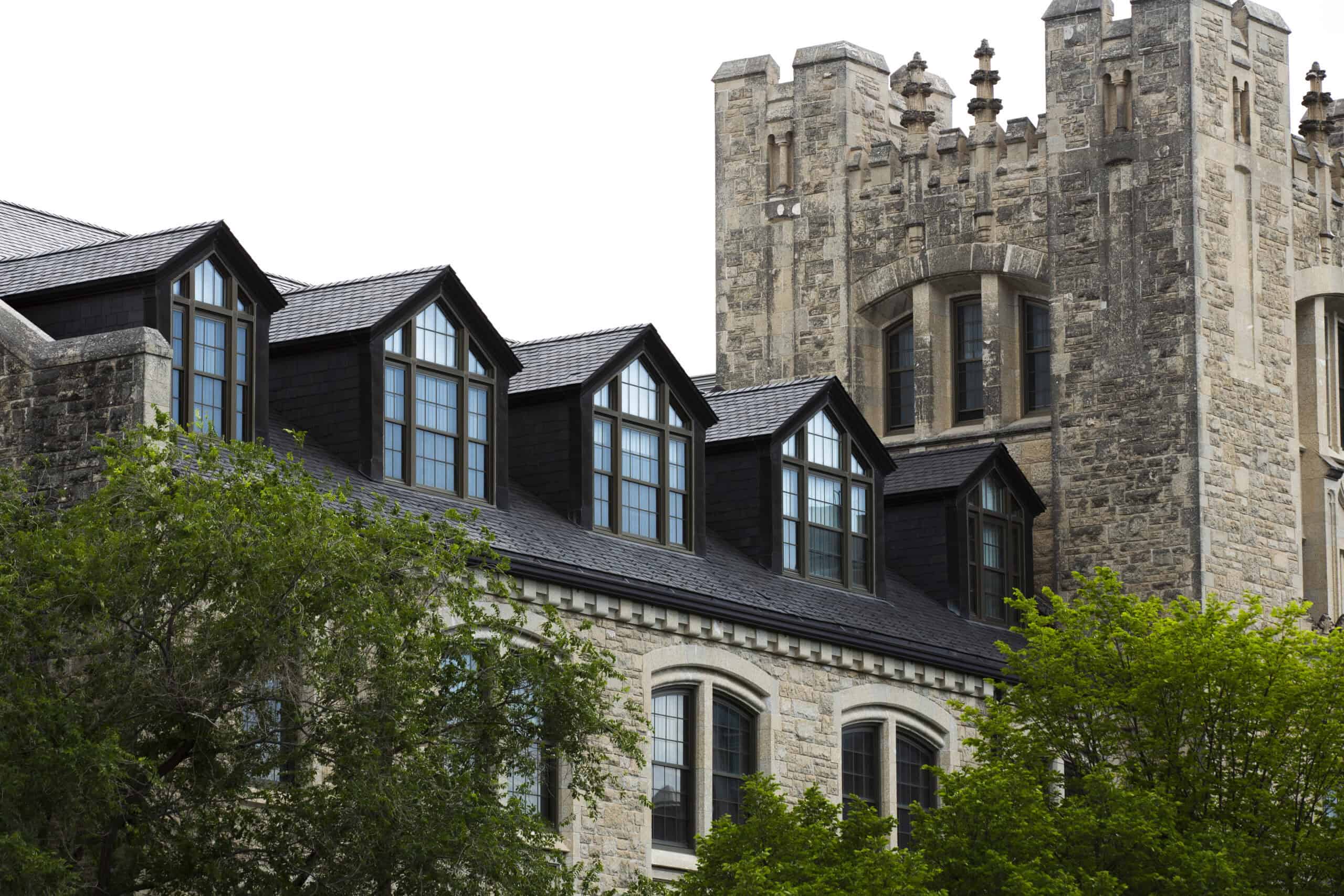
Converting a listed building can create distinctive homes and commercial spaces, while introducing structural and documentation requirements that differ from a standard conversion.
A conversion warranty is generally designed to provide insurance-backed protection against certain major structural defects that arise after practical completion. For a listed building conversion, the provider will need to understand the retained historic fabric, the scope of conversion works and the approvals supporting the project.
Listed building consent is generally required for works that affect a building’s character or special architectural or historic interest. The local planning authority decides whether consent is required and whether it should be granted.
Why listed buildings need specialist warranty consideration
Listed building status can restrict how a structure is altered, extended or repaired. This can affect the design approach, the materials used and the documentation available for a Structural Warranty application.
Historic buildings may contain traditional masonry, timber framing, cast iron, lime mortar, original joinery and other materials that need to be understood in the context of the conversion. The condition of the retained structure can vary significantly, particularly where previous repairs or alterations have not been fully documented.
Listed building consent documentation is essential where works have affected the building’s character. Providers will usually need to understand what consent was granted, the works completed under that consent and whether the conversion followed the approved proposals.
Unauthorised work on a listed building can create wider legal and transaction issues. Historic England confirms that carrying out unauthorised work requiring listed building consent is a criminal offence, while a local planning authority can require unauthorised works to be reversed.
Not all warranty providers cover listed building conversions. Some may apply specific conditions, request enhanced surveys or limit cover for pre-existing elements. Buildsafe can help identify providers that are able to assess the project, subject to underwriting.
What providers look for on listed building conversions
A listed building conversion warranty application should provide a clear record of the building’s condition, the proposed works and the approvals in place. Complete documentation can help the provider understand the conversion and establish suitable inspection requirements.
Providers may ask for:
- Listed building consent documentation for relevant works
- Architectural, structural and specification drawings
- A heritage structural engineer’s report on retained historic fabric
- Building Regulations approval and completion documents for the conversion works
- Details of specialist materials and techniques, such as lime mortar, traditional joinery or historic roof repairs
- Information about the contractor, architect, structural engineer and wider professional team
- Photographic evidence of the building before, during and after key stages of the works
A heritage structural engineer’s report is strongly advisable where historic walls, floors, roofs or foundations are retained. This can help identify the condition of the building fabric, explain any necessary repairs and record how the retained structure will work with new construction.
Building Regulations documentation may also be relevant to the underwriting process. A Structural Warranty is separate from Building Regulations approval, planning permission and listed building consent. It does not confirm compliance with every legal, planning or construction requirement.
Early engagement can help identify the information required before structural works progress too far. It is usually advisable to arrange a warranty 2 to 4 weeks before works start.
Cover scope for listed building conversions
A listed building structural warranty is generally intended to address certain major structural defects that emerge after completion, subject to the policy wording.
Depending on the agreed policy terms, the assessment may include defects connected with design, workmanship, materials, construction, installation and site preparation. It can also consider retained structural elements that form part of the conversion scope, alongside new works such as structural openings, floors, roof alterations, extensions and foundations.
The policy may address major structural damage involving:
- Retained walls and structural masonry
- Floors, beams, columns and roof structures
- Foundations and load-bearing elements
- New structural works introduced during conversion
- The external envelope, drainage and water ingress
- Subsidence, heave and landslip
Pre-existing deterioration in historic fabric that was not addressed during the conversion is typically excluded. This is an important distinction for listed buildings, where deterioration, damp, movement or historic defects may have developed over a long period.
A warranty does not automatically cover every issue associated with an older property, routine maintenance or defects known before the policy starts. Exact cover, exclusions, limits and responsibilities depend on the policy, so the wording should always be reviewed carefully.
Where conversion works are already complete, a retrospective warranty for conversions may be available in some circumstances. Eligibility will depend on the completed building, available documents, survey findings and the insurer’s assessment.
Grades of listing and their impact
The grade of listing can influence the level of scrutiny applied to a proposed conversion. Grade I and Grade II* buildings are the most highly protected categories and require particularly careful consideration of the retained fabric, structural interventions and consent process.
Historic England advises that local planning authorities must consult it on listed building consent applications involving Grade I or Grade II* buildings. This can add further detail to the planning and heritage process, particularly where structural works affect significant historic features.
Grade II buildings are generally more common, although they still require appropriate consent and documentation for works affecting their special interest. Grade II buildings account for approximately 92% of all listed buildings in England.
Listed status does not automatically prevent warranty cover. However, the grade, condition of the retained fabric, scope of works and quality of the supporting information can all affect provider appetite and policy terms.
Warranty cost can depend on build cost, sales value and the insurer’s assessment. For historic conversions, the condition of the retained structure, specialist construction methods and additional survey requirements can also affect pricing. Read more about conversion warranty cost.
Discuss your listed building conversion
A listed building conversion needs careful coordination between heritage requirements, structural design and warranty planning. Buildsafe compares providers that may be able to assess your historic property conversion.
For a related specialist project, see our church conversion warranty guidance.
Contact Buildsafe to discuss your project or get a quote for a listed building conversion warranty.