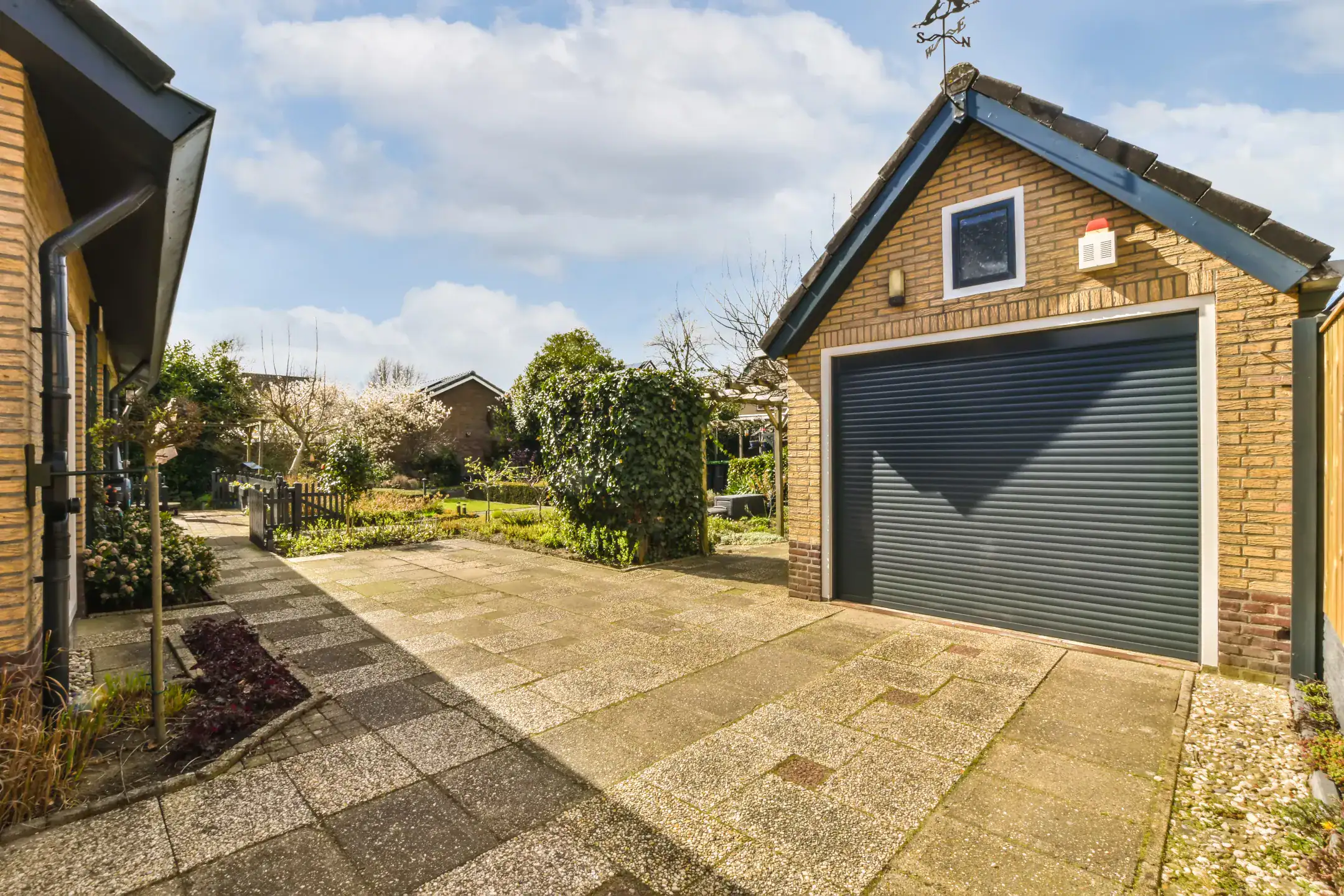
A garage conversion can provide additional living space without the need for a full extension. Many projects are straightforward, although the warranty position can become more important where structural changes are involved or when the property is being sold.
A standalone garage conversion warranty is not automatically required for every domestic project. In many cases, Building Regulations sign-off will provide the main evidence that the conversion was assessed through the relevant building control process.
Questions can arise where the garage forms part of a new-build property, the works affected the main structure or the required approvals were not obtained. Understanding the difference between a Structural Warranty, Building Regulations documentation and indemnity insurance can help owners respond to concerns before a sale or refinance.
When a garage conversion needs a Structural Warranty
Most garage conversions do not require a standalone Structural Warranty. The appropriate documentation will depend on the property, the type of work completed and the requirements of any lender, buyer or solicitor.
A garage conversion warranty may become relevant in several situations.
The garage conversion was part of the original new-build development
Where a garage conversion formed part of the original new-build project, it may already be included within the main Structural Warranty. The policy scope should be checked carefully, as cover will depend on the building design, policy wording and the work included when the warranty was arranged.
If the garage was converted after the original property was completed, the existing new-build warranty may not automatically extend to the later works.
The property is being sold or refinanced
A buyer’s solicitor or mortgage lender may ask for evidence of the work completed as part of their due diligence. This may include Building Regulations approval, a completion certificate, drawings or information about structural alterations.
A warranty may be considered where substantial structural work took place and the relevant party requests additional protection. Requirements can vary, so no policy should be assumed to satisfy a particular lender’s criteria without direct confirmation.
Read can you sell a house without a building warranty for broader guidance on warranty and sale considerations.
Structural work was completed without Building Regulations approval
A garage conversion completed without Building Regulations approval can create questions at the point of sale. The issue is often identified when a buyer’s solicitor reviews the property documents.
Depending on the work and when it was carried out, owners may need to consider a Building Regulations regularisation application, indemnity insurance or, in some cases, a retrospective warranty. These products and processes serve different purposes, so it is important to understand what is being requested before arranging cover.
Integral and detached garage conversions
The distinction between an integral and detached garage conversion can affect the structural issues that need to be considered.
Integral garage conversions
An integral garage forms part of the main house structure. Converting it into living accommodation may involve changes to the external wall, existing openings, insulation, ventilation, fire separation and services.
Structural work may be required where a garage door opening is replaced with a wall and window, a lintel is altered or a load-bearing wall is changed. Alterations affecting the roof structure or upper floors can also require closer consideration.
An integral garage conversion can therefore carry greater structural significance than a detached conversion. Clear drawings, Building Regulations documentation and records of the work can be particularly useful if the property is sold later.
Detached garage conversions
A detached garage is separate from the main house, which can make the conversion structurally simpler in some cases. However, creating habitable accommodation can still involve changes to the walls, roof, floor, insulation, windows, drainage and electrical services.
Building Regulations approval may be needed for a detached garage conversion, particularly where the works change its use to habitable space. The exact position depends on the scope of work and the local authority or approved inspector involved.
A detached building can also present separate questions around foundations, damp protection and connections to drainage or utilities. A structural assessment may be useful where the existing structure is in poor condition or significant alterations are proposed.
Building Regulations sign-off and its role
For many garage conversions, a Building Regulations completion certificate is the key document. It provides evidence that the conversion went through the relevant building control process and that completion was recorded by the body responsible for that process.
Building Regulations sign-off is usually sufficient for a straightforward conversion. It does not provide the same insurance-backed structural protection as a Structural Warranty, although a standalone warranty is not automatically required for every garage conversion.
A conversion warranty may be considered where a project involves more extensive structural works, a change of use or a lender, buyer or investor asks for it. The appropriate route will depend on the conversion and the requirements of the parties involved.
Keep the following documents safely after completion:
- Building Regulations approval and completion records
- Structural drawings and calculations where relevant
- Planning documents where applicable
- Contractor and professional team details
- Photographs showing key stages of the work
- Certificates for electrical, gas or other specialist work where relevant
Retrospective issues at sale
A common scenario is a garage converted several years ago without Building Regulations approval. The owner may only discover the issue when preparing to sell and the buyer’s solicitor asks for evidence of the work.
There are several possible routes, although each addresses a different issue.
A Building Regulations regularisation application is a process through the relevant local authority for certain unauthorised work. The authority may inspect the conversion and request further information or remedial work before issuing a regularisation certificate.
Indemnity insurance is a separate legal indemnity product. It is generally intended to address certain risks connected with a lack of consent or documentation. It is not a Structural Warranty and does not confirm the quality of construction or provide insurance-backed cover for structural defects.
A retrospective building warranty may be considered where a property has been built, converted or substantially refurbished without an existing Structural Warranty. It is subject to survey findings, available records and insurer underwriting. Existing defects or issues identified during assessment may affect eligibility, exclusions or terms.
A specialist can help explain the difference between these routes, although legal, planning and Building Regulations questions should be discussed with the relevant professional adviser or authority.
Not sure what your garage conversion requires?
A garage conversion does not automatically need a Structural Warranty. Building Regulations sign-off is often the central document for a straightforward project, while larger structural alterations or gaps in documentation may need further consideration.
Contact Buildsafe for free, independent advice on whether a warranty or other cover may be relevant to your garage conversion.