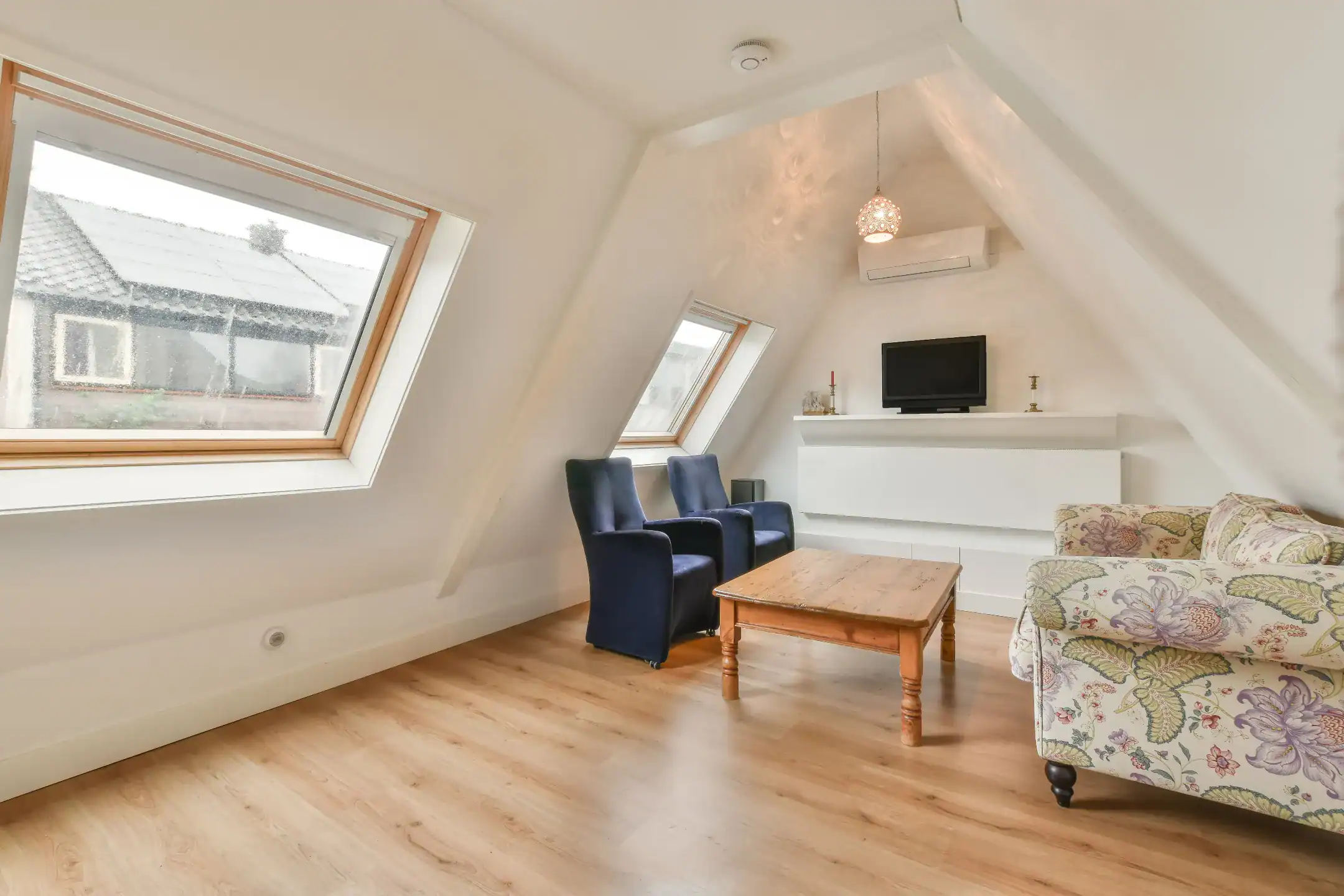
A loft conversion can provide additional living space within an existing home. For most standard loft conversions, a standalone Structural Warranty is not automatically required. Building Regulations approval and a completion certificate are usually the key documents for demonstrating that the work passed through the relevant building control process.
A loft conversion warranty may become relevant where major structural work has taken place, the property is being sold or remortgaged, or a lender or buyer’s solicitor specifically asks for additional evidence.
The distinction matters because a Building Regulations completion certificate and a Structural Warranty serve different purposes. Understanding this early can prevent unnecessary concern and help homeowners respond clearly when questions arise later.
When a loft conversion warranty becomes necessary
A loft conversion structural warranty is not a standard requirement for every home improvement project. In certain circumstances, however, it may be needed or strongly advisable.
Selling a property with a recent loft conversion
When a property is sold, the buyer’s solicitor may review documents relating to structural work. For a loft conversion, this often includes Building Regulations approval, completion records, structural drawings and calculations where relevant.
Building Regulations sign-off is usually sufficient for a straightforward conversion. Some buyers, solicitors or lenders may ask for further evidence, particularly if the works are recent, extensive or not clearly documented.
A warranty should not be assumed to satisfy every lender’s requirements. Lender criteria can vary, so any specific request should be confirmed directly with the lender or solicitor involved.
Read can you sell a house without a building warranty for broader guidance on sales and warranty considerations.
Remortgaging after structural work
A lender may ask questions about significant alterations when a property is being remortgaged. Loft conversions can involve structural changes to the roof, floor joists, supporting walls and access arrangements.
The lender may request Building Regulations documentation or other evidence relating to the work. In some cases, a Structural Warranty may be considered if the lender requires additional protection for recent structural alterations.
Loft conversions included in a new-build project
Where a loft conversion formed part of the original new-build development, the main new-build Structural Warranty may include that work. The policy wording, approved drawings and final documentation should be checked before assuming that it is covered.
A loft conversion completed after the property was originally built is different. The existing new-build warranty may not automatically extend to later alterations.
Self-build projects
A self-build project that includes a loft conversion within the original scope of works may be assessed as part of the main self-build warranty arrangement. The warranty should be arranged before work begins, with the loft conversion included in the project information submitted to the provider.
Building Regulations sign-off and Structural Warranties
A Building Regulations completion certificate is generally the standard document for a loft conversion. It records that the relevant building control process has been completed. This may cover matters such as structural stability, insulation, fire safety, stairs and ventilation, depending on the work undertaken.
A Structural Warranty is an insurance-backed policy. It is generally designed to provide protection against certain major structural defects that arise after completion, subject to policy terms, conditions and exclusions.
The documents are therefore different:
Building Regulations sign-off records the outcome of the building control process.
A Structural Warranty provides insurance-backed protection against certain major structural defects.
A conversion warranty may be considered for more significant conversion or refurbishment projects involving structural work.
Building Regulations sign-off is usually sufficient for a standard loft conversion. A standalone warranty is more likely to be relevant where the project is larger, the structural work is more extensive or another party asks for it.
A conversion warranty can be considered for qualifying conversion projects. Cover, eligibility and policy terms will depend on the property and insurer requirements.
Similar considerations can apply to other home conversion projects, including a garage conversion.
When a retrospective warranty might be needed
Questions often arise when a loft conversion was completed without Building Regulations approval or where the completion documentation cannot be located. This may only become apparent when an owner decides to sell or remortgage.
A retrospective Building Regulations regularisation application is a route that is available through the relevant local authority for certain works completed without the appropriate approval. The authority may require inspection, further information or remedial work before issuing documentation.
Indemnity insurance is a different product. It addresses certain legal risks arising from missing consent or documentation. It does not confirm construction quality and is not a Structural Warranty.
A retrospective building warranty may be considered where a property has been converted, built or substantially refurbished without an existing Structural Warranty. Availability depends on the scope of work, supporting documents, survey findings and insurer underwriting.
A retrospective policy is not automatic. Existing defects, inaccessible construction details or a lack of evidence about the work completed can affect whether cover is available and the terms offered.
Not sure whether your loft conversion needs a warranty?
Most homeowners with a properly approved loft conversion will not need a separate Structural Warranty. Building Regulations sign-off is usually the central document for a standard project.
Where structural work was completed without approval, documents are missing or a buyer’s lender or solicitor has raised a specific query, it is worth clarifying the appropriate route before a sale or refinance progresses.
Contact Buildsafe for free, independent advice on whether a warranty or other form of cover may be relevant to your loft conversion.