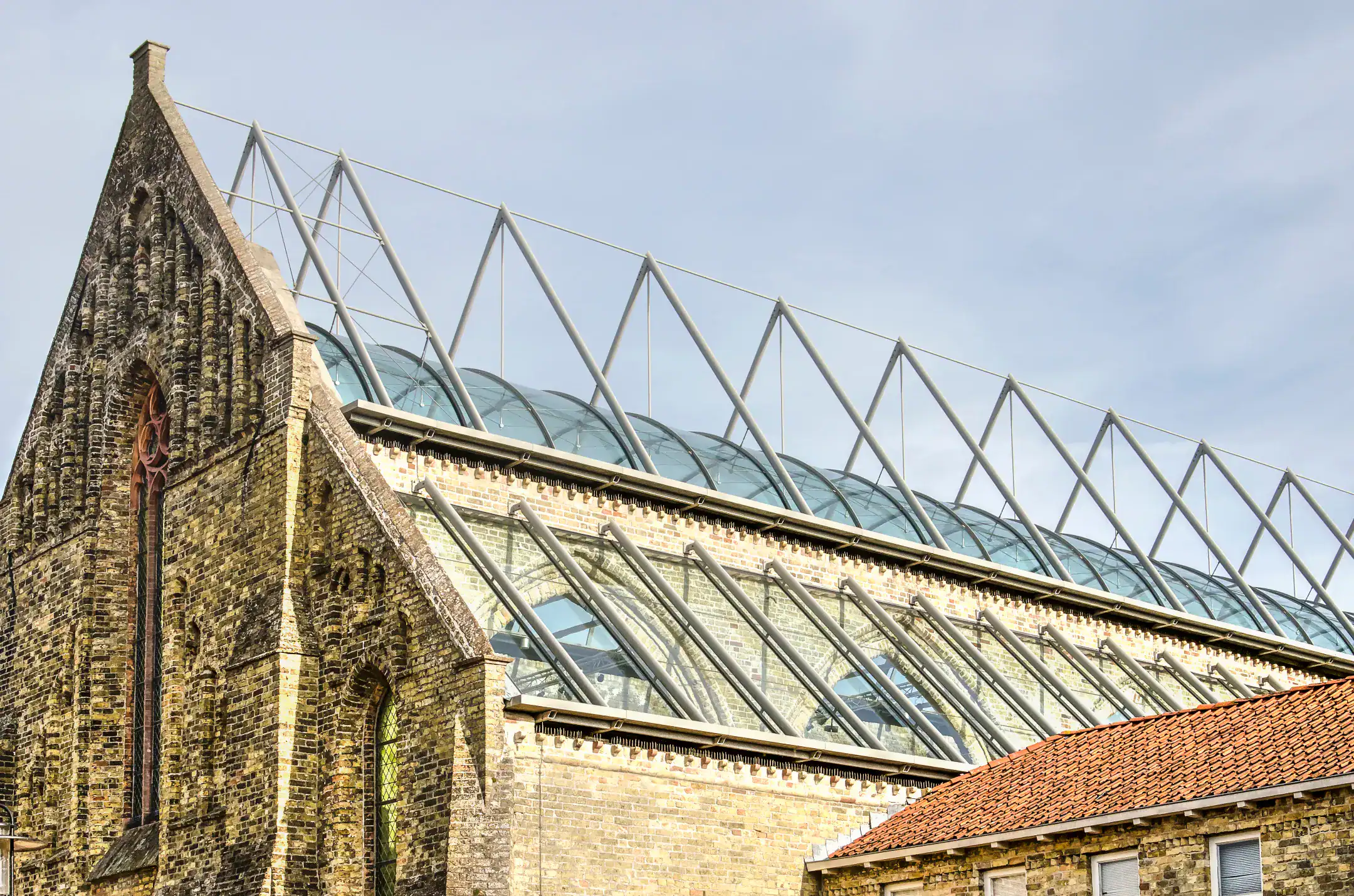
A church conversion warranty is designed for developers converting former churches, chapels and other religious buildings into houses, flats or mixed residential schemes.
These projects carry a distinct set of structural considerations that differ from many other building types. Converting these features into modern homes requires careful planning, detailed technical information and a structural warranty provider with relevant conversion experience.
A Structural Warranty is generally designed to provide insurance-backed protection against certain major structural defects that arise after completion, subject to policy wording. For a church conversion, the provider will assess the retained building alongside the proposed residential works. Conversion Warranties are intended for projects where an existing building is being converted or substantially refurbished.
Explore Conversion Warranty options or request a quote for your church conversion project.
Why church conversions need specialist warranty cover
Churches have structural characteristics rarely found in other residential conversion projects. They may include thick stone walls, timber trusses, stone vaults, large roof spans, bell towers, spires and unusual foundation arrangements.
Age and traditional construction can make it difficult to assess concealed elements or establish how the original structure will respond to alteration. Conversion work can add further complexity, particularly where new floors, internal partitions, mezzanines, roof works, drainage and residential services are introduced.
Bell towers and vaults are key areas for provider review. Towers can create concentrated loading and differential movement, while vaulted ceilings and arches can affect the design of floors, services and structural supports. Providers will need to understand proposed strengthening, waterproofing, roof repairs and the connection between retained masonry and new construction.
Early engagement gives the provider time to review the building and identify relevant surveys, reports and inspection stages.
Listed status and the warranty process
The majority of churches available for residential conversion are listed buildings, commonly Grade I, Grade II* or Grade II. Listed status can restrict changes to the building’s structure, internal features and external appearance, so it affects both the scope of the conversion works and the warranty assessment.
Before terms can be considered, the provider will need a clear understanding of which structural interventions are permitted and which have been approved. This should be supported by listed building consent, planning documents, structural drawings and specifications for the proposed repair or alteration works.
The project file should also include relevant approvals and correspondence from the local planning authority and Historic England where involved. These records allow the provider to review how the approved conversion works relate to the retained building fabric, including original stonework, roof timbers, stained glass, vaults and other historic features.
The technical assessment will focus on the condition of those retained elements, the methods proposed for repair or strengthening and the interface between original fabric and new residential works. Clear documentation helps distinguish between existing features, approved interventions and newly introduced structural elements.
Read more about warranty considerations for listed building conversions.
What does a church conversion warranty cover?
A church conversion warranty is a type of Structural Warranty tailored to a project involving an existing building. It is generally intended to provide insurance-backed protection against certain major structural defects that arise after completion.
Depending on the policy wording, cover can address defects associated with:
- Retained load-bearing walls, foundations and roof structures
- New floors, mezzanines and structural openings
- Structural strengthening and steelwork
- New roof structures and external envelope works
- Design, workmanship, materials and construction
- Water ingress, drainage, subsidence, heave and landslip where included
- Debris removal, professional fees and consequential loss where included
The cover available for retained elements is particularly important with ecclesiastical conversion warranties. Providers will review the age and condition of the original building alongside the proposed repair and conversion works.
It’s worth noting that pre-existing deterioration, historic movement or defects identified before the conversion begins, can affect the terms offered with some policies excluding existing stone deterioration unless it has been investigated, repaired and accepted as part of the underwriting process.
The exact cover, exclusions, limits and responsibilities will depend on the policy and policy wording should therefore always be reviewed carefully before proceeding.
What surveys are required for a church conversion warranty?
A full structural survey is usually a starting point for a church conversion. The survey should provide a detailed view of the original structure, including stonework, roof timbers, vaults, foundations, tower elements and signs of movement or water damage.
A specialist heritage structural engineer’s report is also typically required for ecclesiastical conversion projects. This goes beyond a standard condition survey by considering the building’s historic construction, the implications of proposed structural works and the approach to preserving retained fabric.
The report can help the warranty provider understand:
- The condition of the existing structure
- Any known movement, cracking or deterioration
- The loading implications of new floors and mezzanines
- The stability of bell towers, spires and vaulted areas
- The proposed repair and strengthening strategy
- How new works will connect to the retained building
Survey information should be prepared before the warranty application wherever possible. It gives the provider a clearer basis for assessing the conversion and can reduce the risk of late requests for additional information.
Warranties should usually be arranged 2 to 4 weeks before works start. Quotes are typically available within 7 to 10 days once full project information is received.
Which providers cover church conversions?
Church conversions are accepted by some warranty providers, although provider selection is particularly important. The building’s age, listed status, construction method and extent of retained structure can all influence provider appetite.
For a church conversion, insurers will consider the proposed residential works alongside the retained building. Reports, surveys and repair specifications can help explain how masonry, roofs, bell towers and vaults will be retained or altered.
Independent comparison can help identify providers with relevant experience. Policy terms, inspection requirements, exclusions and treatment of retained elements should be considered alongside the premium.
Buildsafe works with providers that assess church and other specialist property conversions, providing independent comparison and practical support through the quotation process. Projects from £200,000 to £100,000,000 can be considered.
How much does a church conversion warranty cost?
There is no standard price for a church conversion warranty. Warranty cost can depend on build cost, sales value and the insurer’s assessment.
The condition and complexity of the retained structure will carry significant weight. A church with substantial roof repairs, tower works, historic movement or extensive structural alterations will require a different assessment from a simpler conversion with limited retention.
The scope of the residential works, available surveys, listed status and proposed inspection requirements can also affect the terms offered. A complete technical submission gives providers the information needed to assess the project accurately.
Read Conversion Warranty Cost: What to Expect and How to Compare for a broader explanation of the factors that can influence pricing.
Can you arrange a warranty for a completed church conversion?
A Retrospective Building Warranty may be relevant where a church-to-residential conversion has already been completed without a Structural Warranty in place.
Completed conversions require a different assessment because the warranty provider has not inspected construction at agreed stages. Availability will depend on the age of the conversion, the documents available, inspection findings and the insurer’s assessment.
Detailed records can be particularly valuable for a completed ecclesiastical conversion. These may include structural surveys, heritage engineer reports, construction photographs, building control documents, invoices and evidence of repair works.
Find out more about retrospective warranty for conversions.
Arrange a church conversion warranty with Buildsafe
Church conversions require a clear understanding of the retained building, the approved conversion works and the technical evidence available to support the application.
Buildsafe compares Structural Warranty options for ecclesiastical buildings, listed properties and other specialist conversion projects. Where possible, early engagement can help identify the provider requirements before work begins and support a more efficient quotation process.
Request a quote or speak to Buildsafe about a Conversion Warranty for your church conversion.
This information is for general guidance only. Cover, eligibility and policy terms will depend on the project and insurer requirements.