Why timber frame construction affects structural warranty terms
Timber frame is one of the most widely used construction methods in the UK. It is common in self-build projects, housing developments and increasingly in low-rise apartment schemes. While it performs well when designed and constructed correctly, insurers assess timber frame differently from traditional masonry builds.
A structural warranty timber frame policy must take account of specific construction risks. The most significant of these is moisture control during the build. Timber elements must remain dry and protected before the building envelope is sealed. Vapour control layers, breather membranes and correct sequencing are critical to long-term performance.
Insurers do not rely solely on drawings. They assess build quality through inspection. The structural warranty timber frame process therefore includes additional inspection stages compared with masonry construction.
Buildsafe arranges timber frame building warranty solutions through recognised providers who understand this method of construction and apply appropriate technical standards.
If you are delivering a timber frame scheme, early engagement ensures the correct inspection structure is in place from the outset.
Do timber frame buildings need a structural warranty?
Yes, in most funded or sale-driven developments.
Mortgage lenders typically require a recognised structural warranty for new homes under 10 years old regardless of construction method. Timber frame properties are not exempt from this requirement.
A structural warranty timber frame policy provides protection against major structural defects arising from latent issues in design workmanship or materials. The fact that the building is timber frame does not remove the need for structural protection. It simply affects how the risk is assessed.
Without a recognised warranty in place, buyers may struggle to obtain mortgage finance which can affect resale value and development viability.
Which warranty providers cover timber frame construction?
Most major structural warranty providers will cover standard timber frame construction. These commonly include:
However, not all providers cover every timber system. Some smaller insurers exclude certain engineered timber systems or specialist off-site manufacturing methods. Others may apply additional technical requirements.
Where cross laminated timber structural insulated panels or bespoke systems are used, underwriting criteria can differ significantly.
Buildsafe can compare building warranty providers to identify which insurer is most suitable for your specific timber frame project. Provider selection is based on construction type project scale and lender requirements rather than a single default option.
Inspection requirements for timber frame
Inspection is central to any timber frame structural defects insurance policy.
In addition to standard inspection stages found in masonry builds, timber frame introduces a critical additional stage:
Frame erection stage
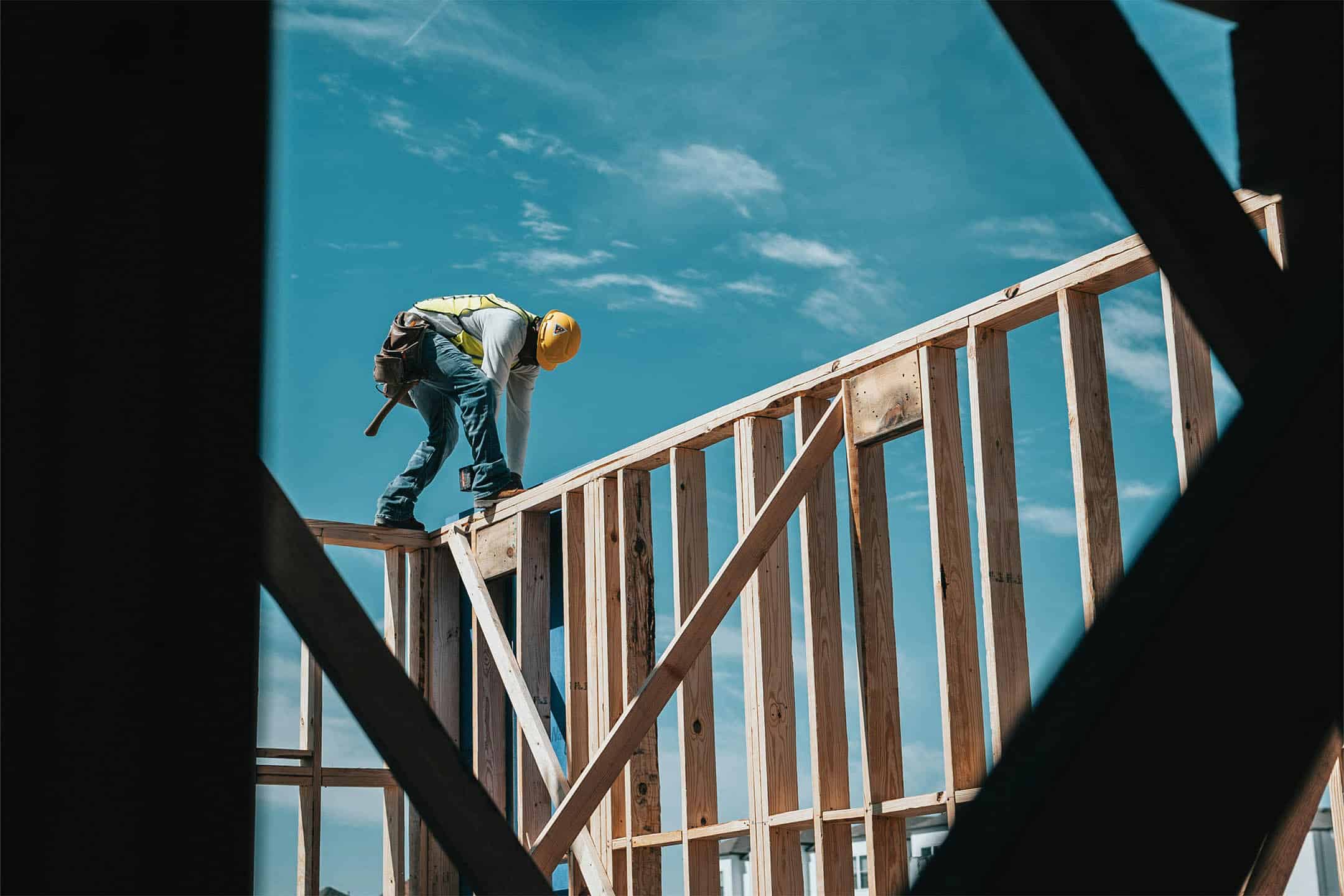
The frame erection stage is an additional required inspection point for timber frame projects. This inspection typically takes place once the structural frame has been assembled but before insulation and internal linings conceal structural elements.
Inspectors will commonly review:
- Correct installation of structural members
- Fixings and connections
- Bracing and restraint
- Protection from moisture
- Installation of vapour control layers
- Detailing around openings
Moisture control during construction is the key risk factor that providers assess. Timber exposed to prolonged wet conditions can compromise long-term durability. Inspection protocols are designed to mitigate this risk.
Once the building envelope is complete, subsequent inspections follow a similar pattern to masonry construction.
Understanding these inspection stages early allows build programmes to be structured correctly.
What do inspectors look for in a timber frame warranty inspection?
Technical inspectors focus on structural integrity and moisture management.
Key areas of assessment include:
- Structural design compliance
- Quality of workmanship
- Correct sequencing of works
- Protection of timber elements prior to enclosure
- Installation of membranes and vapour barriers
- Fire stopping and compartmentation where applicable
Inspectors are not assessing cosmetic finish. Their role is to confirm that the structure complies with the provider’s technical standards and that latent structural risk is minimised.
For more detail on the scope of cover, see our guide to what a structural warranty covers.
Is timber frame more expensive to warranty than masonry?
In most standard projects, premiums are broadly comparable to masonry construction.
There is a common perception that timber frame automatically attracts a higher premium. In practice, for conventional low-rise housing built to recognised standards, pricing is often similar.
However, premiums may increase where:
- Specialist or non-standard timber systems are used
- The project involves complex detailing
- There is limited contractor experience with timber frame
- The building exceeds typical height thresholds
Insurers price risk, not materials alone. A well-managed timber frame project with experienced contractors can achieve competitive structural warranty timber frame pricing.
Timber frame and self-build warranties
Timber frame is one of the most common methods used in self-build projects.
Self-build warranty structures often involve staged payment mechanisms linked to construction progress. Because timber frame introduces a specific frame erection inspection stage, payment schedules must align with inspection approval.
A timber frame self-build therefore requires coordination between:
- The timber frame supplier
- The main contractor or project manager
- The warranty provider
- The stage payment schedule
Buildsafe works closely with self-build clients arranging self build insurance solutions that reflect the sequencing of timber frame construction.
Early placement ensures the frame erection inspection is built into the programme without delay.
Are there any warranty providers who will not cover timber frames?
Yes. While most major providers will cover standard timber frame housing, some smaller insurers restrict or exclude certain systems. Exclusions may apply to:
- High-rise timber frame structures
- Certain engineered timber products
- Modular or volumetric timber systems
- Hybrid systems incorporating multiple structural materials
Where the system falls outside mainstream construction norms, specialist providers may be required.
Selecting the right insurer is therefore critical. A provider comfortable with masonry may not automatically have appetite for specialist timber systems.
What is the difference between a timber frame and masonry warranty inspection?
The fundamental purpose of inspection remains the same. Inspectors verify compliance with technical standards to reduce the risk of structural failure.
The difference lies in timing and focus.
In masonry builds, inspection emphasis is placed on:
- Foundations
- Cavity wall construction
- Structural lintels
- Roof structure
In timber frame builds, there is greater emphasis on:
- Frame erection stage
- Moisture protection before enclosure
- Vapour control detailing
- Structural fixings and bracing
The additional frame erection inspection is the most visible difference between the two construction methods.
Does a timber frame affect lender acceptance of the warranty?
Mainstream lenders generally accept structural warranties on timber frame properties provided the warranty provider is recognised and on the lender’s panel.
The construction method itself is not typically the barrier. What matters is:
- The reputation of the warranty provider
- Compliance with recognised technical standards
- Appropriate inspection and certification
Timber frame properties built to modern standards and covered by recognised timber frame structural defects insurance are widely accepted in the mortgage market.
Where unusual systems are involved, confirmation of lender acceptance should be obtained early.
How to arrange a structural warranty for your timber frame project
The process mirrors standard structural warranty placement but with additional focus on inspection sequencing.
Key steps include:
- Initial project assessment
- Selection of appropriate provider
- Submission of technical drawings and structural calculations
- Agreement of inspection schedule including frame erection stage
- Staged inspections during construction
- Final certification at completion
Applying before construction begins provides the widest choice of providers and the most competitive pricing.
If you are ready to move forward, get a quote and receive structured comparisons from providers experienced in timber frame construction.
Why use Buildsafe for timber frame structural warranty?
Timber frame projects require careful provider selection and inspection planning.
Buildsafe:
- Compares providers who actively cover timber frame
- Identifies those comfortable with specialist systems
- Aligns inspection stages with build sequencing
- Ensures lender recognition where required
Rather than approaching one insurer and accepting default terms, independent comparison ensures your structural warranty timber frame solution is appropriate for the specific construction method used.
Get a structural warranty for your timber frame building
If you are developing a timber frame scheme, planning a self-build or delivering a multi-unit housing project, ensure your structural protection reflects the realities of timber construction.
Buildsafe arranges timber frame building warranty solutions across the UK and supports projects from single dwellings to larger developments.
Ready to proceed? Get a quote and speak to a specialist about your timber frame project today.