
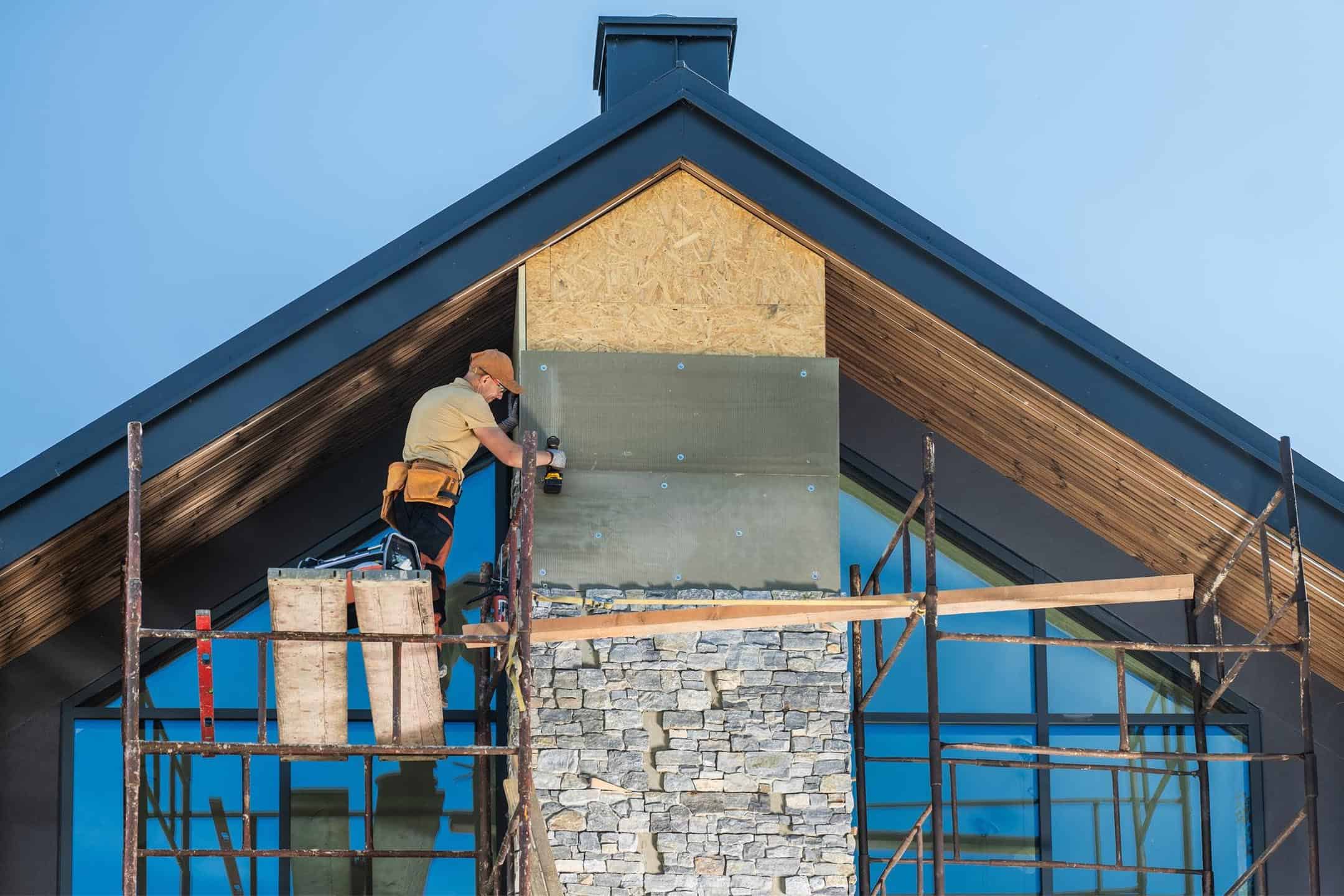
Completing a self-build project is a major achievement. Months or years of planning, budgeting and overseeing contractors finally result in a finished home. Then a solicitor or mortgage adviser asks for the structural warranty certificate and you realise there is a problem.
A retrospective warranty self build situation is more common than many people expect. Self-builders are focused on design, contractors and building regulations approval. The warranty step is sometimes missed or arranged during the build and allowed to lapse later.
Why Self-Builds Sometimes Complete Without a Warranty
Self-build projects differ from developer-led schemes in one important way: there is no commercial developer overseeing compliance from a funding perspective. The owner often manages the project directly.
Common scenarios include:
- The owner intended to live in the property long term and did not anticipate selling.
- A self build insurance warranty was arranged during construction but lapsed before sale.
- The project ran over schedule and the warranty was never finalised.
- The owner relied solely on building regulations approval.
Building regulations sign-off confirms compliance with statutory standards. It does not replace a structural warranty.
The issue usually surfaces when the property is put on the market or refinanced. For properties under 10 years old, lenders typically require recognised structural cover. A self build completed without warranty will often fail a mortgage application.
This is where a retrospective building warranty becomes critical.
Can I Get a Retrospective Warranty on a Self-Build?
Yes, in most cases.
A retrospective warranty self build policy can be arranged after completion, provided the property meets underwriting criteria and passes structural inspection.
However, self-builds carry a different risk profile from standard developer builds. Insurers assess:
- Construction method
- Quality of workmanship
- Professional oversight during build
- Structural documentation
- Building regulations compliance
If you built the property yourself, this does not automatically prevent cover. It does mean that the survey and underwriting stage will be detailed.
How a Retrospective Self-Build Warranty Differs
A standard warranty arranged during construction includes staged inspections. A retrospective policy is based on a single post-completion structural survey.
For self-build properties, there are additional considerations.
Non-Standard Construction Methods
Self-build projects often use non-standard methods such as:
- Timber frame
- Structural insulated panels
- Insulated concrete formwork
- Steel frame
Not all warranty providers accept these methods under retrospective placement.
Specialist providers are required for certain construction types. Buildsafe works with insurers experienced in non-standard construction methods.
Owner Involvement in Construction
Underwriters will consider the level of professional supervision during the build. Projects managed by architects, structural engineers and experienced contractors are generally easier to place than those completed without documented oversight.
Clear records strengthen the application.
Selling or Mortgaging a Self-Build Without a Warranty
If your self-build is under 10 years old and has no warranty, you are likely to face problems when:
- Selling to a buyer with a mortgage
- Remortgaging to release equity
- Switching lenders
Most mainstream lenders require structural cover for properties under 10 years old, which helps explain why lenders require self-build insurance. Without it, the application will usually be declined.
A retrospective warranty self build solution resolves this gap. Once issued by a recognised provider, the property meets standard lender requirements.
If you need confirmation of lender acceptance, see our guidance on which mortgage lenders accept retrospective warranties.
What Happens if My Self-Build Warranty Lapsed?
If you arranged cover during construction but it was never finalised or expired before completion, the position is similar to having no warranty at all, underlining the importance of a complete self-build insurance timeline.
From a lender’s perspective, there is no valid structural cover in place.
A retrospective building warranty can normally be arranged in the same way as if no original warranty had existed.
The insurer will assess the finished property through a structural survey and determine whether cover can be issued.
What Survey Is Needed for a Retrospective Warranty on a Self-Build?
A structural survey is mandatory.
Because the property was completed without continuous warranty inspections, the insurer relies on a detailed post-completion assessment.
The survey typically includes:
- Review of foundations and visible structural elements
- Inspection of load-bearing walls
- Roof structure assessment
- Identification of cracking or movement
- Review of construction methods used
- Confirmation of building regulations sign-off
Surveyors will pay particular attention to how new structural systems were installed and whether there is evidence of long-term performance issues.
Properties with clear building regulations completion certificates and documented structural calculations are easier to place.
How Much Does a Retrospective Warranty Cost for a Self-Build?
Retrospective structural warranty cost UK pricing depends on several factors:
- Reinstatement value of the property
- Age of the building since completion
- Construction method
- Complexity of the design
- Number of units if multi-unit
- Outcome of structural survey
Self-build projects using non-standard construction methods may attract higher premiums due to specialist underwriting requirements.
For a detailed breakdown, see our guide to retrospective building warranty cost.
Using a broker helps identify which providers are most competitive for self-build placements.
Is a Retrospective Warranty Different for Self-Build vs Developer Build?
Yes, in practical terms.
Developer builds usually follow standard construction methods and structured professional oversight. Self-build projects are more varied.
Key differences include:
- Greater use of bespoke design
- Higher incidence of non-standard materials
- Direct owner involvement in project management
This does not prevent cover. It does mean underwriting scrutiny is often more detailed.
Choosing a provider experienced in self-build projects is essential.
If you are planning a future self-build, consider arranging a self build insurance warranty before construction begins to avoid retrospective complexity later.
Can I Get a Retrospective Warranty if I Built the Property Myself?
Yes. Building the property yourself does not automatically prevent placement.
What matters is:
- Structural integrity
- Quality of workmanship
- Professional oversight
- Compliance documentation
A well-documented self-build with proper structural calculations and building regulations approval is often insurable.
The key is transparency. Provide full documentation during underwriting to avoid delays.
Timeframes and Next Steps
If you are selling or refinancing, time pressure is usually significant.
The typical retrospective warranty self build process includes:
- Initial instruction and documentation review
- Structural survey appointment
- Underwriting assessment
- Certificate issuance
For straightforward properties with clear documentation, this can be completed efficiently.
Delays typically arise from:
- Missing structural calculations
- Lack of building regulations documentation
- Survey access issues
Early instruction improves speed and reduces transaction risk.
Securing Cover for Your Self-Build
A self build completed without warranty does not mean the transaction must fail. It means structural cover needs to be arranged retrospectively.
For properties under 10 years old, lender acceptance is usually dependent on recognised warranty cover. Retrospective solutions bridge that gap.
Non-standard construction methods require specialist providers. Building regulations sign-off strengthens the application. Clear documentation improves underwriting outcomes.
If you need retrospective cover for your self-build, get a quote and Buildsafe will arrange lender-accepted protection tailored to owner-built and self-managed projects.